
Robotics and Autonomous Systems: 2gethertech at MWC Barcelona 2026
Last week, the 2gethertech team attended the GSMA Mobile World Congress (MWC) in Barcelona, one of the world’s most influential events dedicated to mobile technologies, connectivity, and emerging digital ecosystems.
While MWC is traditionally known for telecommunications and connectivity innovation, this year’s edition also highlighted a rapidly growing frontier: robotics powered by artificial intelligence and advanced sensing technologies. For 2gethertech, whose mission is to identify and license breakthrough technologies for the North American market, the event offered a valuable opportunity to explore how robotics is evolving across multiple sectors.
HUMANOID ROBOTICS AND EMBODIED AI
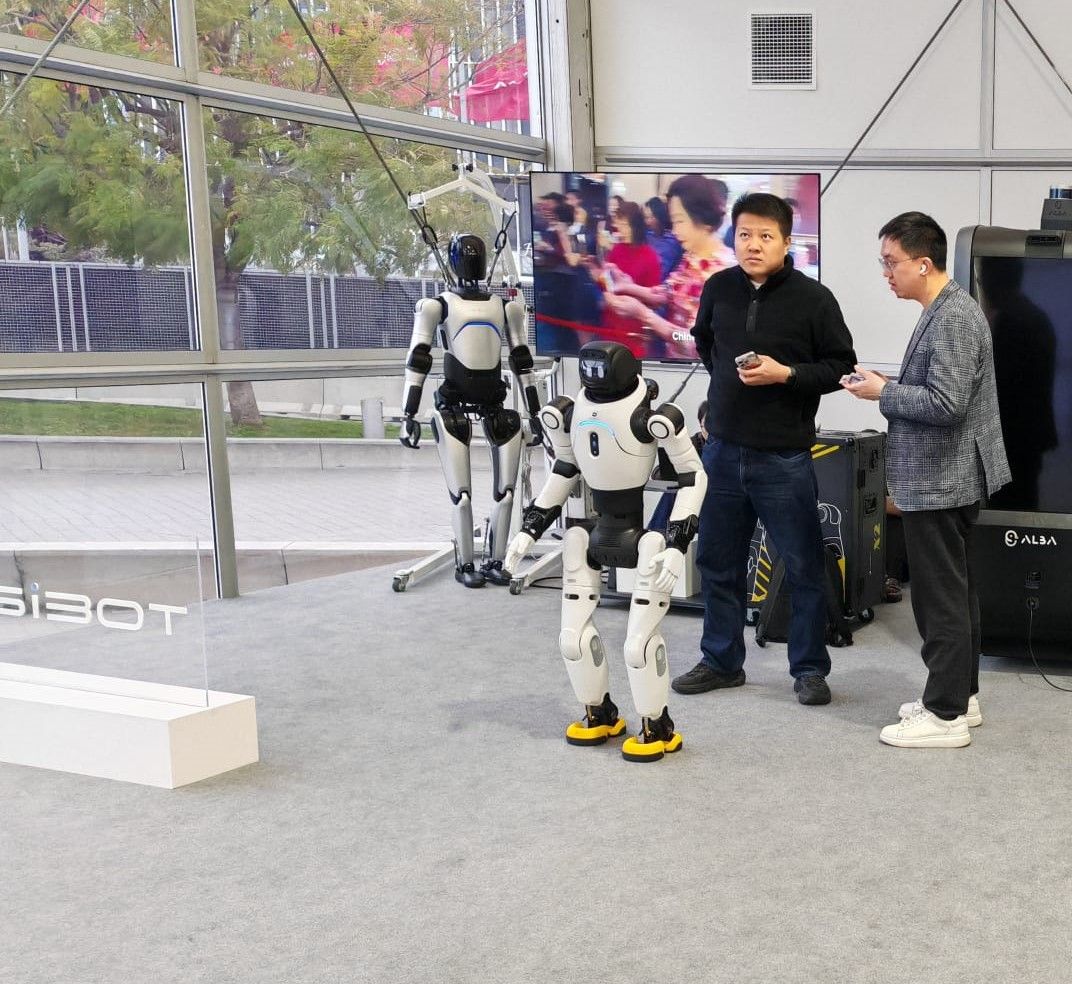
Among the most notable trends at the exhibition was the increasing presence of humanoid robotics platforms designed for embodied AI research and human–robot interaction (HRI). These systems combine advanced locomotion, perception sensors, and developer-oriented software stacks that allow researchers and engineers to build applications without redesigning low-level robotic control systems.
Such platforms are increasingly used in research laboratories, universities, and technology testbeds to experiment with locomotion, manipulation, perception, and human–robot interaction. Their human-compatible form factor allows them to operate in real-world environments such as classrooms, museums, and public spaces, making them ideal platforms for testing the next generation of intelligent robotic systems.
ROBOTICS ACROSS INDUSTRIES
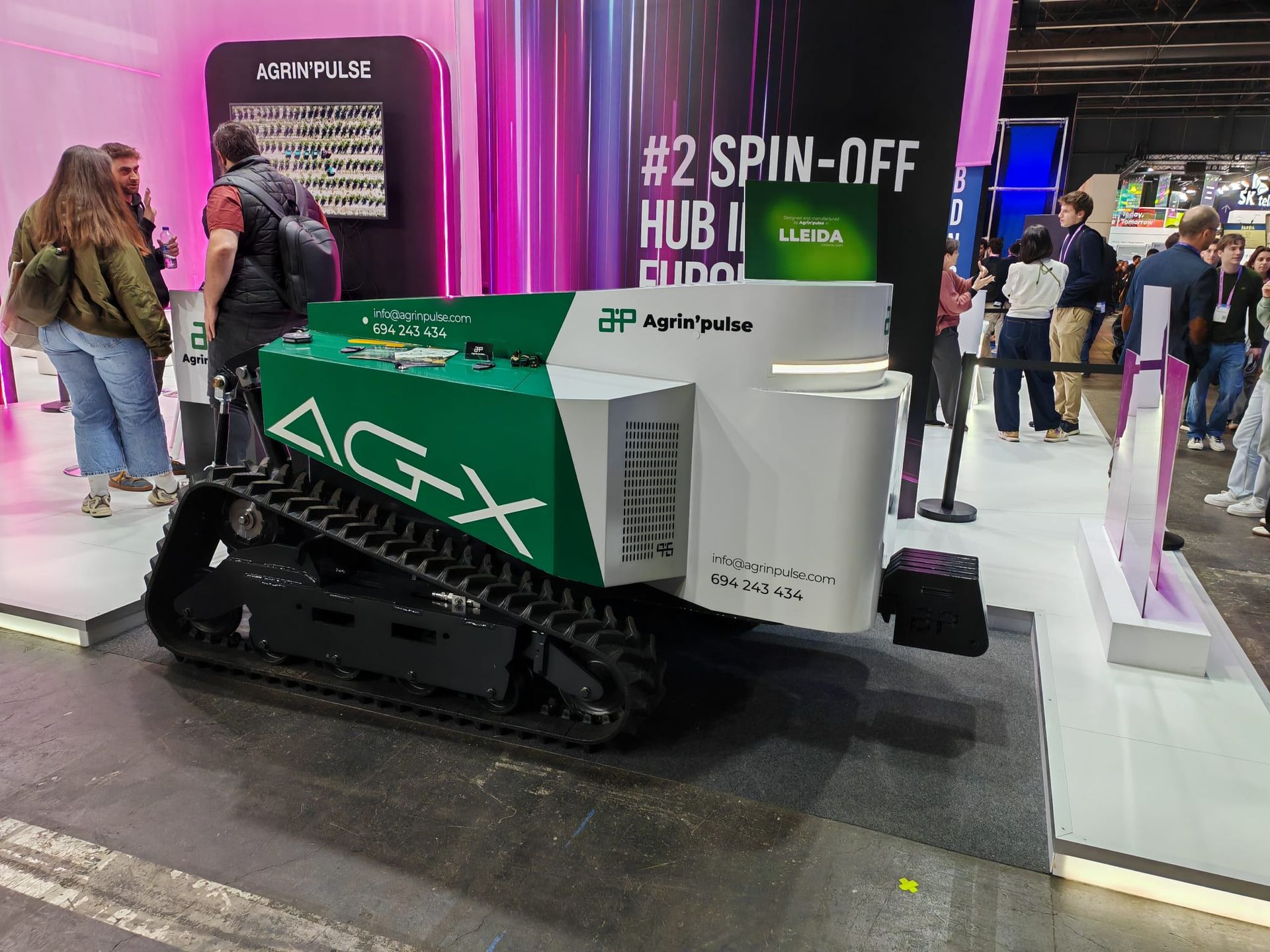
The exhibition also demonstrated how robotics is rapidly expanding beyond traditional industrial automation into new operational environments, including agriculture, mobility infrastructure, public services, and urban environments.
One of the key themes emerging from MWC was the integration of AI, robotics, and real-time data processing at the edge, enabling robots to operate more autonomously while interacting safely with humans and complex environments. From autonomous agricultural machines designed to optimize field operations, to service robots capable of navigating shared spaces, the robotics ecosystem is becoming increasingly diverse and application-driven.
RELEVANCE FOR 2GETHERTECH’S INNOVATION STRATEGY
For 2gethertech, which focuses on licensing and commercializing advanced technologies in the United States and Canada, these developments are particularly relevant. The convergence of robotics, AI, and connected devices is opening new opportunities for intelligent systems capable of supporting healthcare, infrastructure, and service environments.
This technological direction closely aligns with the vision behind RoboNurse, one of the key projects within the 2gethertech ecosystem. RoboNurse combines AI, smart sensors, and environmental monitoring to provide personalized healthcare support, particularly for elderly and vulnerable individuals. By integrating real-time health monitoring with intelligent navigation and environmental sensing, the system represents a new generation of assistive robotics designed to enhance safety, wellbeing, and quality of life.
LOOKING AHEAD
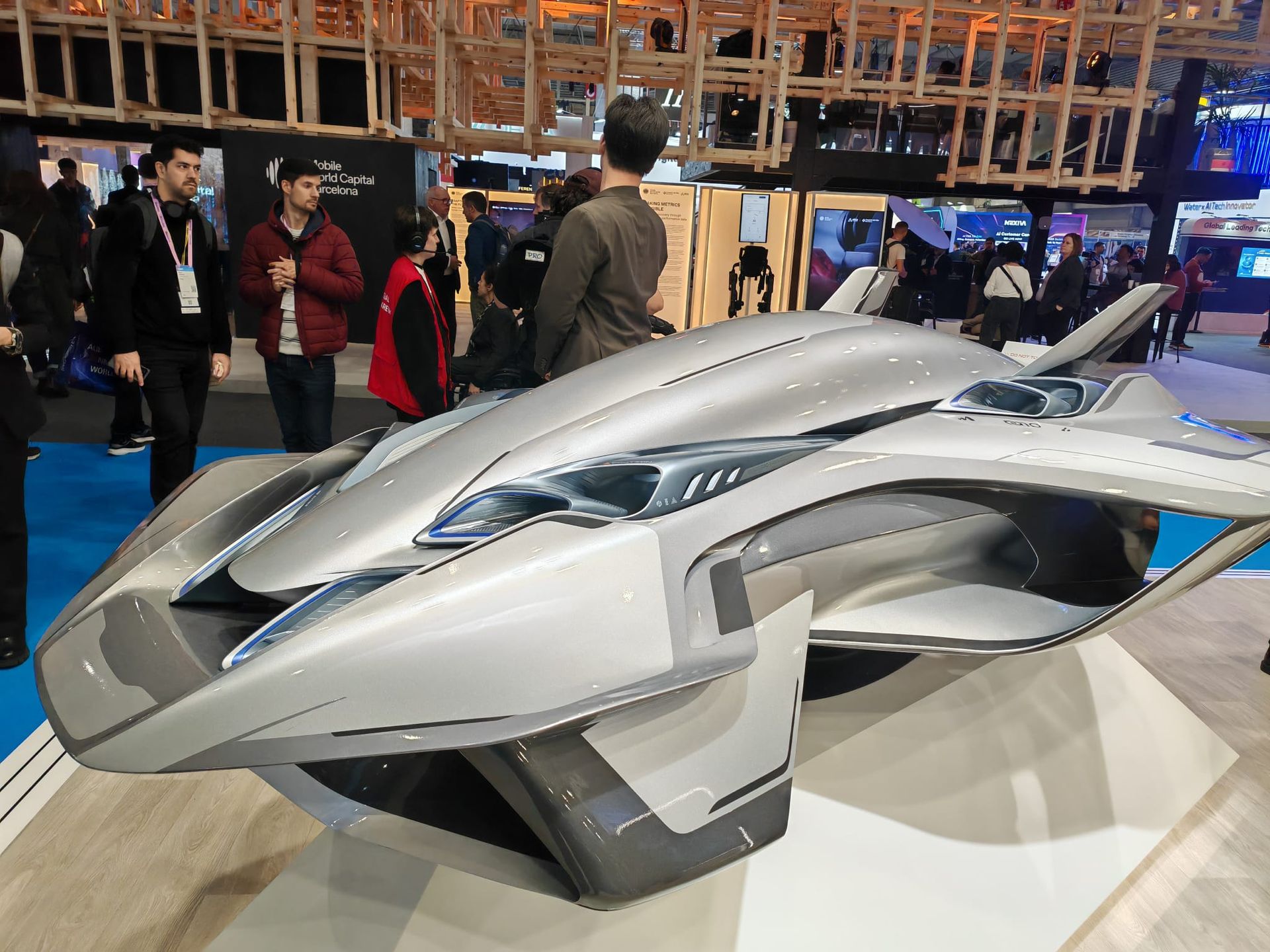
Events like MWC continue to show how robotics is moving from experimental environments toward real-world deployment in everyday contexts. As AI capabilities expand and sensing technologies become more advanced and affordable, intelligent robotic systems are expected to play an increasingly important role in healthcare, mobility, and smart environments.
For 2gethertech, participating in global innovation events such as MWC is an important opportunity to identify emerging technologies and build partnerships that can accelerate the commercialization of impactful robotics solutions in North America.