
RoboNurse Alpha V2.0 Introduces a New Modular Base Architecture
2gethertech continues to evolve its Physical-AI platform with the latest update to RoboNurse Alpha V2.0, featuring a redesigned base architecture engineered for enhanced stability, modularity, and real-world deployment.
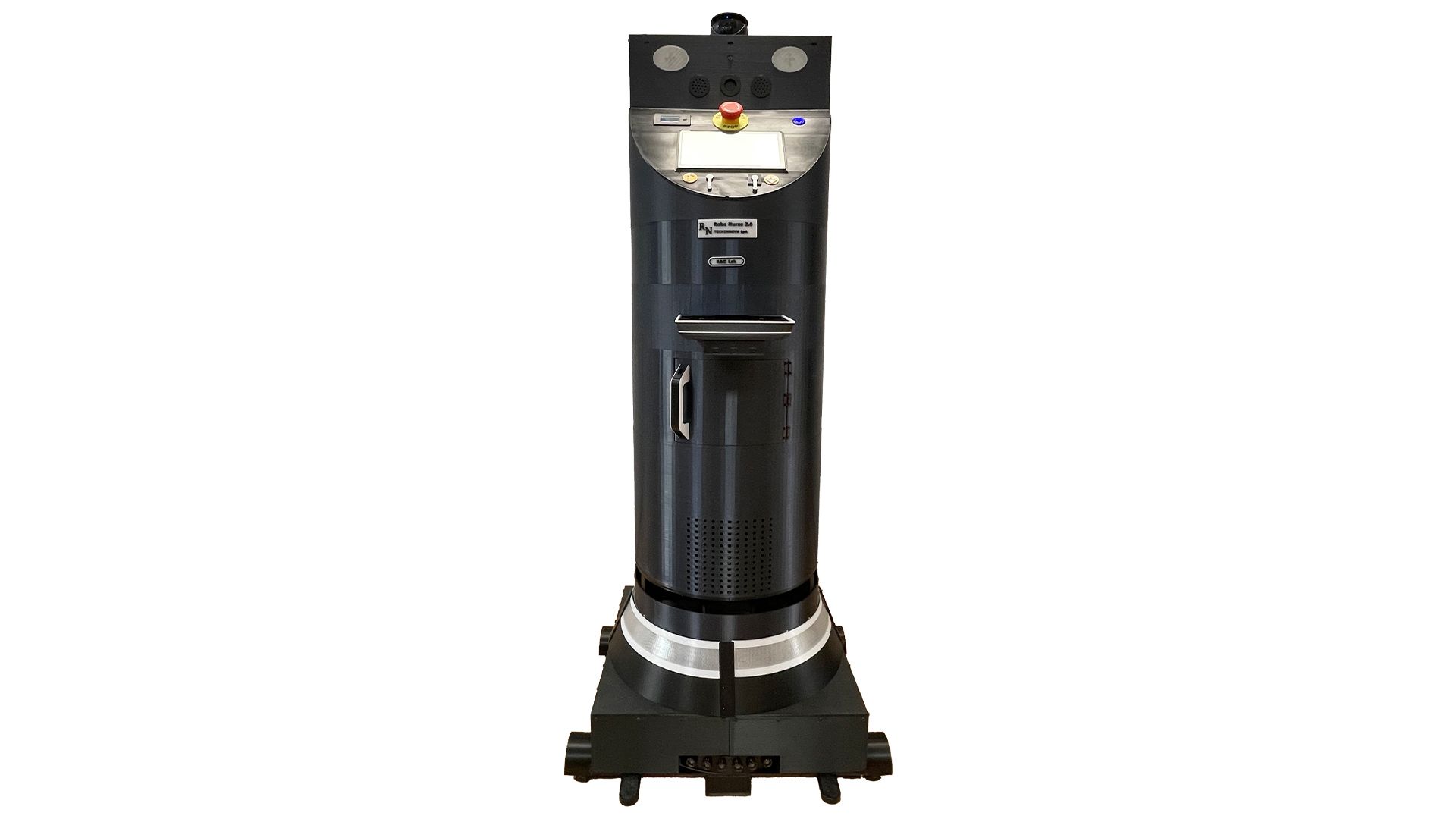
The introduction of a new, more structured base marks a significant step forward in the system’s physical design. While earlier versions prioritized compactness and mobility, the updated configuration introduces a more robust foundation – improving balance, durability, and overall system reliability during continuous operation.
This new base has been developed to support the increasing complexity of RoboNurse’s capabilities, including real-time monitoring, environmental sensing, and integration with wearable systems such as COMMITMENT. By reinforcing the physical layer of the platform, 2gethertech enables more stable data acquisition and consistent performance across diverse operational settings.
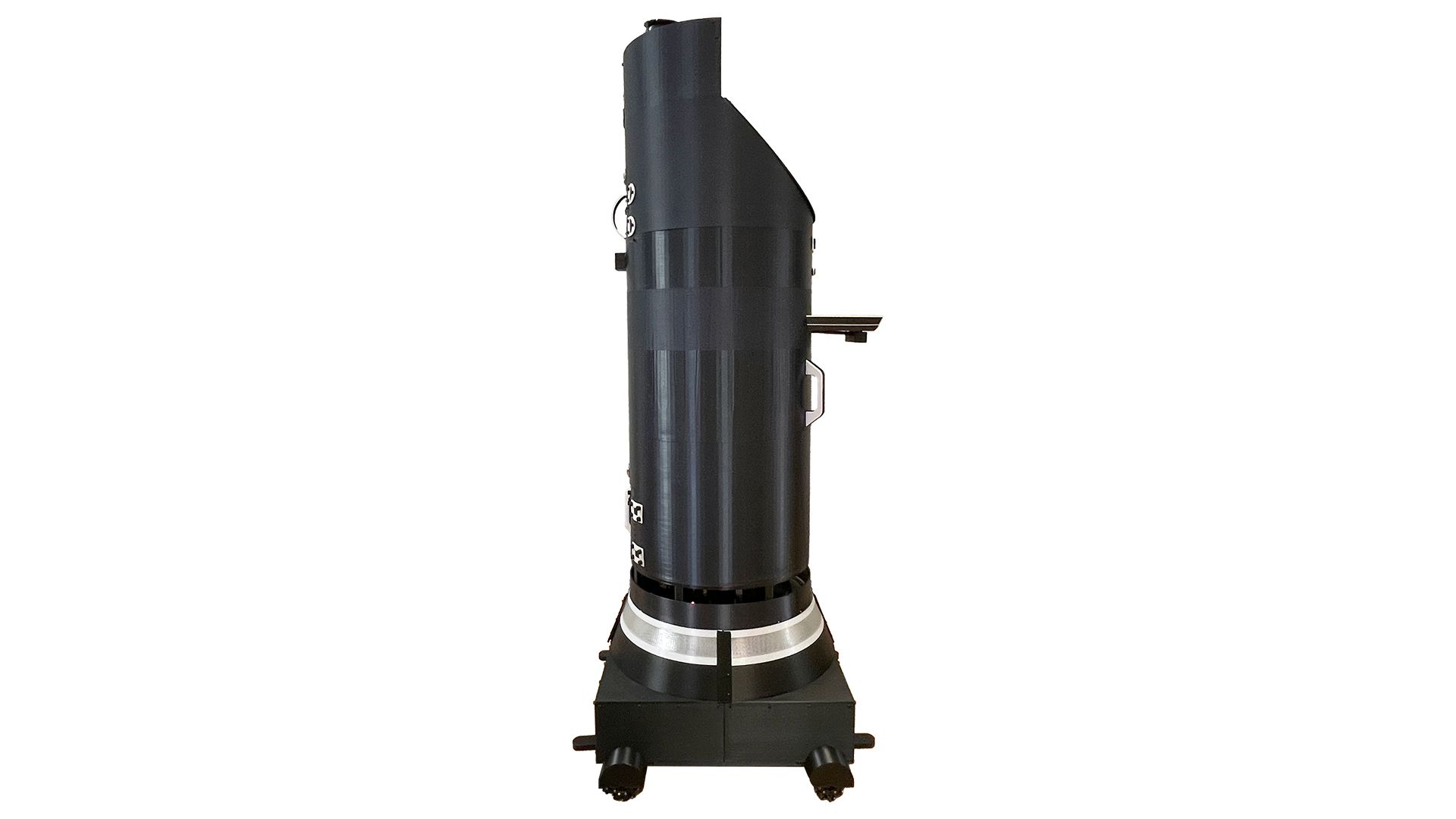
At the same time, the redesigned structure reflects a broader shift toward modular architecture. The new base is conceived as a scalable platform component, allowing for easier integration of additional hardware modules, future upgrades, and system customization depending on the deployment context – from clinical environments to assisted living facilities.
The update also improves interaction with surrounding environments, ensuring smoother navigation and better adaptability in dynamic, real-world conditions. This is particularly relevant for long-term care and rehabilitation settings, where reliability and physical robustness are critical.
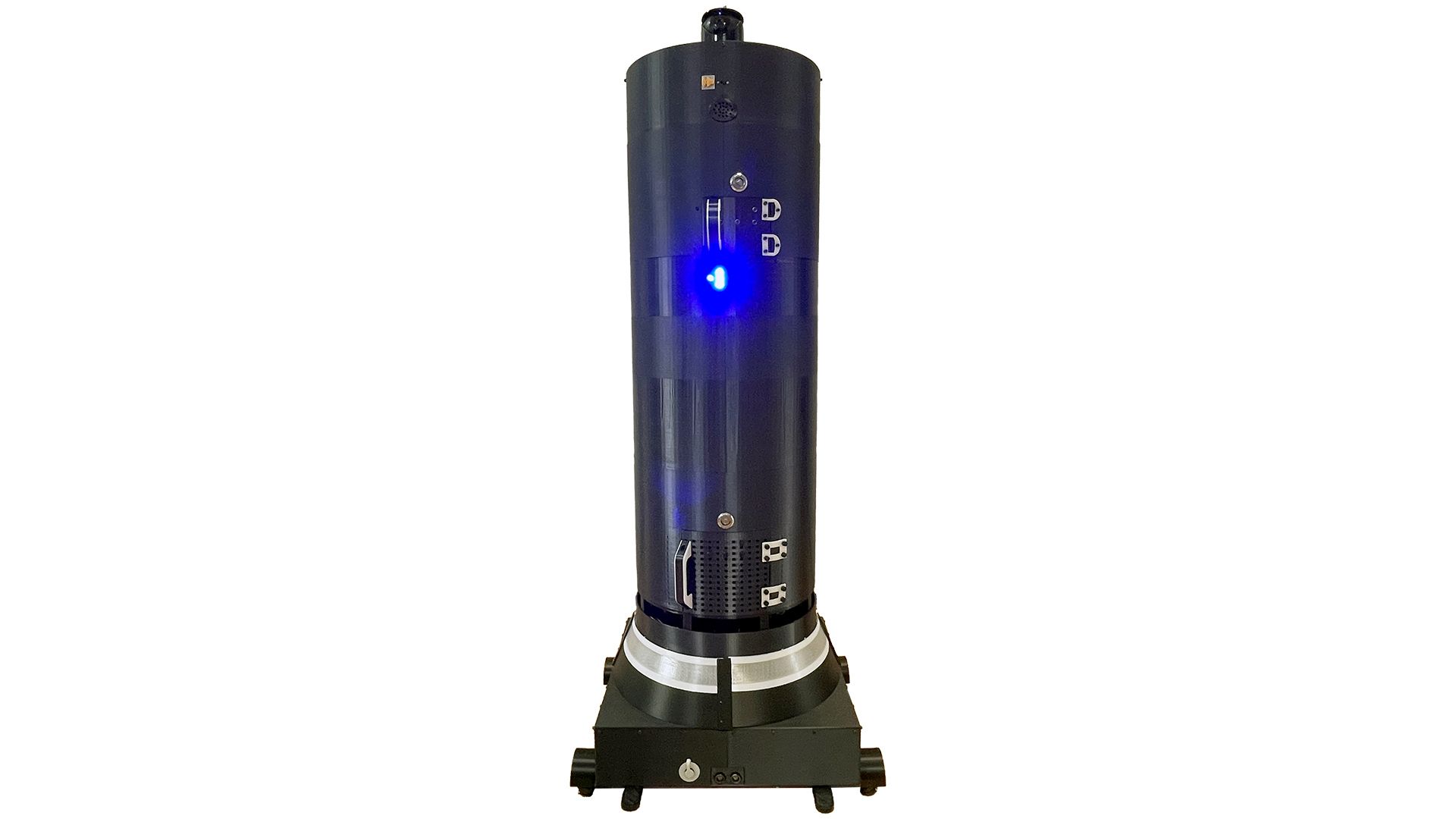
With this evolution, RoboNurse Alpha V2.0 strengthens its position as a next-generation Physical-AI system, where hardware design and artificial intelligence operate as a unified, integrated framework.
2gethertech will continue to refine and expand the platform, with a focus on scalability, interoperability, and clinical applicability – bringing intelligent monitoring systems closer to everyday use.